







NEWS
Red wine fermentation tanks require careful temperature control
For winery operators, stable fermentation is not just about following a recipe—it depends on precise tank performance and daily control. Red wine fermentation tanks require careful temperature control to protect yeast activity, preserve aroma, manage extraction, and avoid costly batch inconsistencies. With well-designed stainless steel tanks, reliable cooling jackets, and easy-to-operate control systems, wineries can maintain the ideal fermentation environment while improving production efficiency and product quality.
In daily cellar work, temperature is one of the most visible and controllable variables. A difference of only 1°C–2°C can change fermentation speed, cap behavior, color extraction, and the final balance of tannin and fruit expression.
Why Temperature Control Matters in Red Wine Fermentation
Red wine fermentation tanks are not passive containers. They are working vessels where yeast, grape solids, oxygen exposure, and cooling response interact for 5–14 days, depending on variety, sugar level, and winemaking style.
Yeast Performance and Fermentation Stability
Most red wine fermentations operate within a common range of 22°C–30°C. Lower temperatures may slow extraction, while excessive heat can stress yeast, increase volatile acidity risk, and create uneven batches.
For operators, the goal is not simply cooling the tank. The goal is controlling heat rise during peak fermentation, when sugar conversion can generate significant thermal load within 24–72 hours.
Extraction, Color, and Aroma Management
Red wine fermentation tanks must support controlled extraction from skins and seeds. If temperature climbs too quickly, tannins may become harsh; if it stays too low, color and body may be limited.
Operators typically monitor tank temperature 2–4 times per shift during active fermentation. Automated PID control can reduce manual adjustment and help maintain a narrower thermal window.
The following table summarizes common operating targets and risks for red wine fermentation, helping cellar teams set practical control points before fruit arrives.
The key conclusion is simple: temperature control should be designed into the tank system, not added as an afterthought. Stable sensors, jackets, insulation, and valves all affect the final wine.
Tank Design Features Operators Should Check
When selecting red wine fermentation tanks, operators should evaluate how the vessel performs during filling, cap management, cooling, draining, washing, and maintenance. A good tank reduces manual risk across the whole production cycle.
Stainless Steel Construction and Surface Finish
SUS304 and SUS316L stainless steel are widely used in beverage and winery equipment because they resist corrosion, support sanitary cleaning, and provide long service life under acidic production conditions.
Inner surface polishing is especially important. A smooth surface, often around 0.6 μm for sanitary applications, reduces residue adhesion and helps operators complete cleaning more consistently between batches.
Cooling Jackets, Sensors, and PID Control
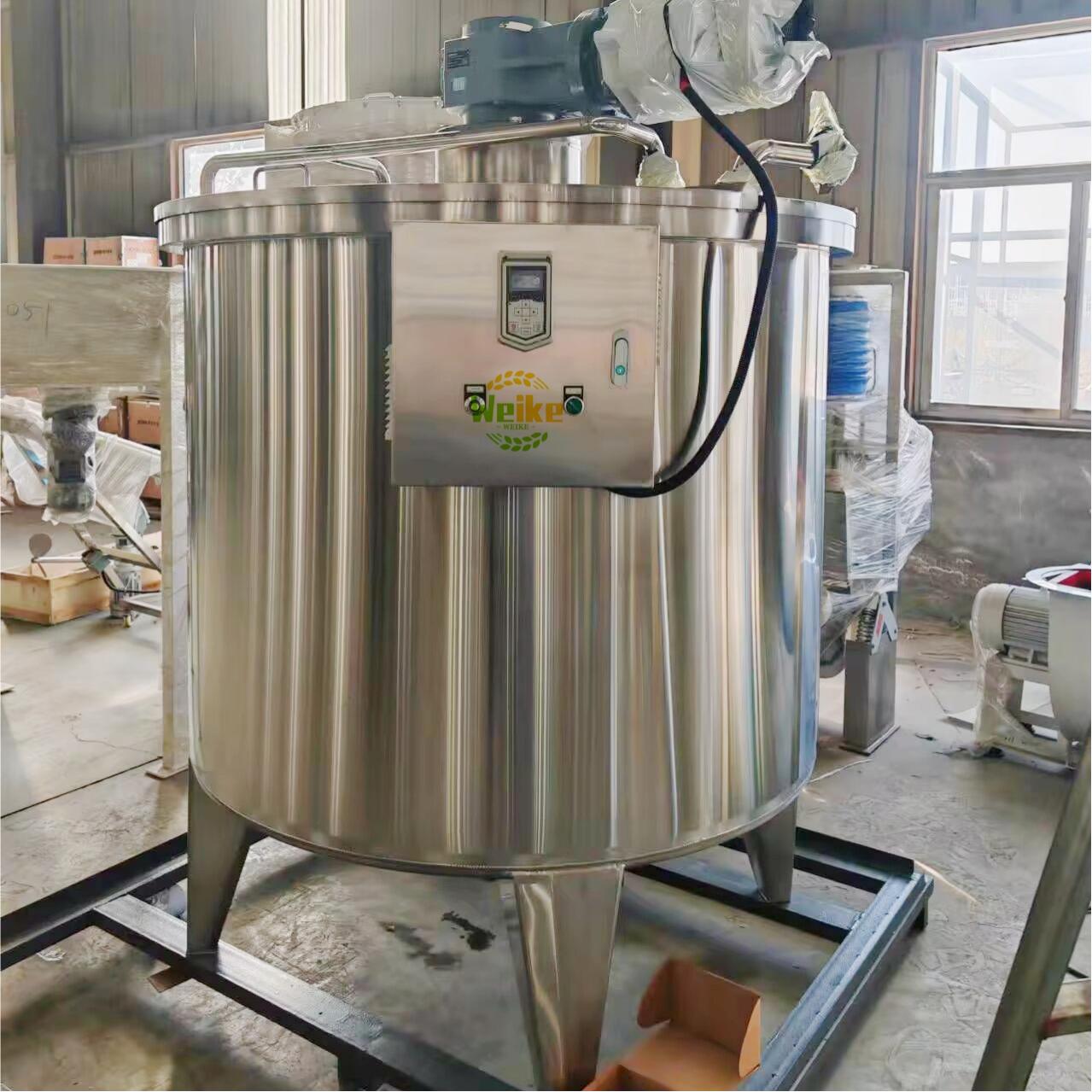
For red wine fermentation tanks, glycol cooling jackets are commonly used because they distribute cooling across the tank wall. PT100 temperature probes provide data for intelligent meters or control panels.
A PID controller allows operators to set or adjust target temperature for each tank. Individual tank control is valuable when 3–10 fermentations run at different stages in the same cellar.
Practical Checklist Before Purchase
- Confirm effective volume, headspace, and grape cap behavior for each red wine style.
- Check jacket layout, cooling medium, insulation thickness, and valve accessibility.
- Review welding quality, inner polishing, sanitary fittings, and dead-corner control.
- Evaluate whether operators can read temperature, sample wine, clean, and drain safely.
- Ask about installation, commissioning, spare parts, and after-sale response period.
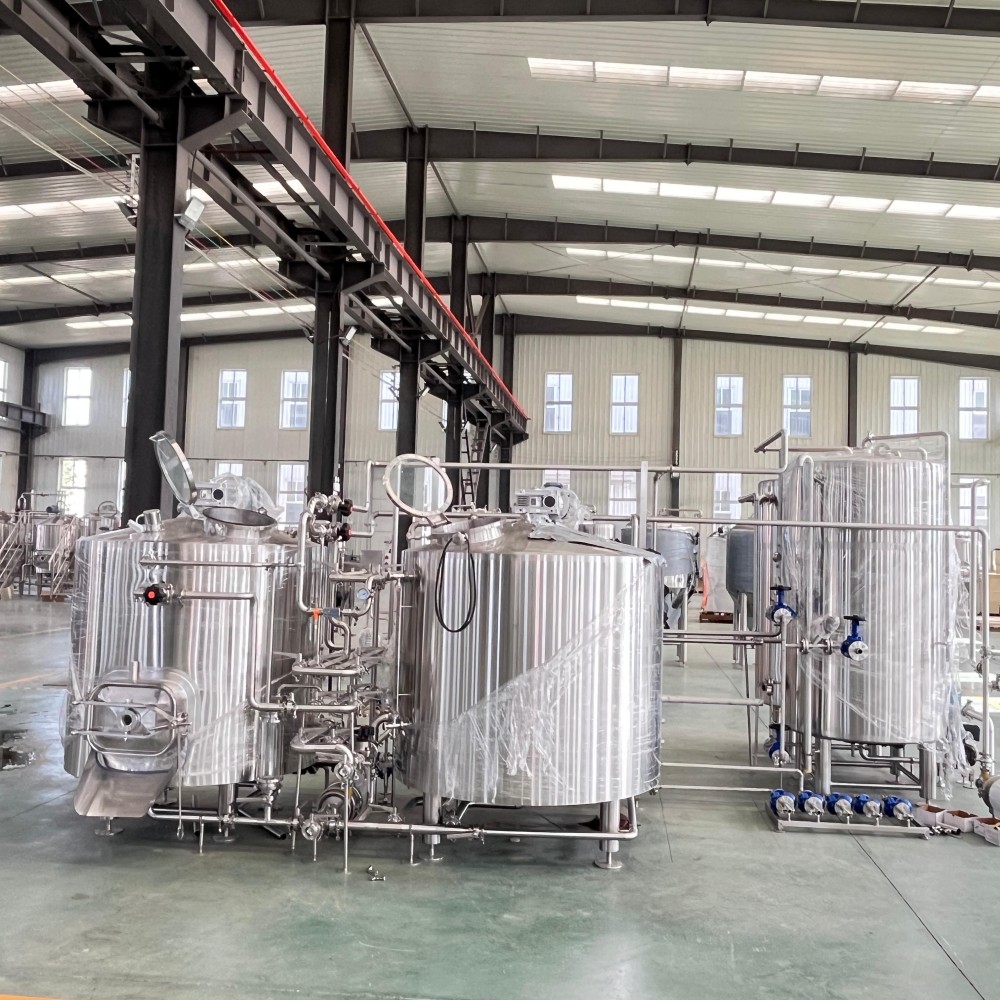
Shandong Weike Machinery Equipment Co., Ltd, located in Jinan, Shandong province, operates a factory of over 15,000 square meters and manufactures stainless steel vessels for winemaking, brewing, food, and beverage producers.
Its experience covers wine tanks, beer equipment, mixing tanks, beverage tanks for cider, kombucha, soda water, coffee, and juice, alcohol tanks, and storage tanks for global clients.
Daily Operation Practices for Consistent Red Wine Batches
Even the best red wine fermentation tanks require disciplined operation. Temperature control depends on preparation before filling, monitoring during peak fermentation, and proper cleaning after draining.
A 5-Step Control Routine
- Inspect valves, jackets, thermowells, seals, and CIP spray balls before harvest intake.
- Set the initial fermentation target, often 2°C–3°C below the expected peak range.
- Record temperature, cap condition, and density at least twice daily.
- Adjust cooling gradually to avoid shocking yeast or creating tank stratification.
- Clean immediately after transfer using validated CIP steps and visual inspection.
This routine supports repeatability. It also helps operators identify whether variation comes from grapes, yeast nutrition, cooling capacity, or tank hardware rather than guessing after fermentation ends.
Avoiding Common Mistakes
A common mistake is relying on one manual thermometer reading at the top manhole. In active red fermentation, cap temperature and liquid temperature may differ, especially in larger tanks.
Another mistake is oversizing tanks without considering cooling capacity. If the refrigeration system cannot remove heat quickly, red wine fermentation tanks may still run hot despite good vessel design.
Operators should also avoid ignoring small sanitation details. Sample valves, drain outlets, racking arms, gaskets, and manholes require routine inspection because microbial issues often begin in overlooked contact points.
Equipment Selection Across Wine, Beer, and Beverage Plants
Many beverage producers operate more than one product line. A winery may also produce cider, kombucha, or craft beer, so procurement teams often compare tank features across different fermentation processes.
For small brewing rooms or pilot beverage lines, Weike also supplies the beer unitank, with 100L–200L effective volume, SUS304 or SUS316L material, and glycol jacket or cooling coil options.
Although beer and red wine differ in pressure, carbonation, yeast handling, and clarification needs, operators can learn from both systems: sanitary welding, accurate sensors, and easy cleaning remain essential.
The comparison below helps buyers understand which equipment details matter most when selecting vessels for wine, beer, or mixed beverage production.
The important takeaway is that tank design should match the process. Wine producers should focus on extraction, temperature curve, hygiene, and drainage, while beer lines may require pressure and carbonation functions.
Procurement Advice for Winery Operators
Before ordering red wine fermentation tanks, operators should prepare a clear specification sheet. This should include batch size, grape variety, ceiling height, door size, cooling source, and cleaning workflow.
Questions to Ask the Manufacturer
- Can the effective volume and total volume be customized for 1,000L, 5,000L, or larger cellar layouts?
- What jacket structure is recommended for the expected fermentation temperature range?
- How are weld quality, polishing, and sanitary fittings inspected before delivery?
- Can installation and commissioning be supported after the tanks arrive on site?
- What after-sale service period, spare parts support, and technical response are available?
Shandong Weike Machinery Equipment Co., Ltd provides professional design, manufacture, installation, and commissioning for stainless steel vessels, with 5 years of after-sale service for supported equipment projects.
Balancing Cost and Long-Term Value
A lower initial tank price may not reduce total cost if cooling is weak, welding is hard to clean, or control components require frequent replacement within 1–2 production seasons.
For operators, value comes from fewer batch deviations, faster cleaning, safer handling, and predictable cellar scheduling. These benefits are often more important than saving a small percentage at purchase.
Reliable Tanks Help Operators Control Every Batch
Red wine fermentation tanks require careful temperature control because fermentation quality depends on yeast health, extraction balance, sanitation, and repeatable operation. Proper vessel design makes daily work easier and more consistent.
For wineries planning new capacity, replacing old tanks, or upgrading manual control, stainless steel tanks with reliable jackets, PT100 measurement, PID control, and sanitary construction offer practical long-term value.
If you need customized red wine fermentation tanks or stainless steel beverage equipment for your production line, contact Shandong Weike Machinery Equipment Co., Ltd to discuss tank design, specifications, installation, and project details.