












NEWS
Wine Tank Leaks During Fermentation: First Steps to Take Safely
What to do if wine tank leaks during fermentation? For cellar operations, the right response starts with safety, then moves quickly to product protection and controlled recovery. During active fermentation, a leaking wine tank may release liquid, foam, carbon dioxide, and pressure in ways that create slip hazards, contamination risks, and avoidable wine loss. A rushed repair can make the situation worse, especially if staff tighten fittings under pressure or open the vessel without understanding the cause. The safest approach is to stabilize the area, reduce immediate risk, assess the leak source, and choose the next step based on tank condition, fermentation stage, and sanitation requirements.
Leak Response Basics During Active Fermentation
When considering what to do if wine tank leaks during fermentation, the first distinction is whether the leak is minor seepage or an active failure. Minor leaks may appear at gaskets, sample valves, manways, sight fittings, or connection points. More serious failures can involve weld seams, damaged racking arms, cracked valve housings, or overpressure-related distortion. Fermentation makes every leak more sensitive because rising CO2, heat, foam, and solids movement can increase flow and spread contamination. Stainless steel wine tanks are designed for hygienic processing, but performance still depends on correct installation, routine inspection, pressure management, and proper cleaning practices.
A useful rule is simple: do not attempt immediate forceful repair while the vessel remains under uncertain pressure. Instead, isolate people from the hazard, verify ventilation, and determine whether the tank can remain in service, be partially emptied, or must be taken offline. This measured sequence helps answer what to do if wine tank leaks during fermentation without turning a manageable event into a safety incident.
Current Winery Concerns and Risk Signals
In wineries and beverage facilities, tank leaks are receiving more attention because production schedules are tighter, sanitation standards are higher, and downtime is more expensive. Fermenting wine is particularly vulnerable because process stability affects flavor, microbiological control, and final yield. The table below highlights common warning signals and why they matter during a leak event.
These warning signs shape the answer to what to do if wine tank leaks during fermentation: treat every leak as both a process event and a safety event, not only a maintenance task.
Business Impact of a Controlled First Response
A controlled first response protects more than the wine inside the vessel. It reduces the chance of oxygen pickup, spoilage organism entry, unnecessary disposal, and damage to nearby pumps, hoses, and floors. It also preserves traceability, because staff can document batch status, temperature, Brix movement, and estimated product loss before making changes. In practical terms, knowing what to do if wine tank leaks during fermentation supports product consistency, regulatory confidence, and lower total maintenance cost.
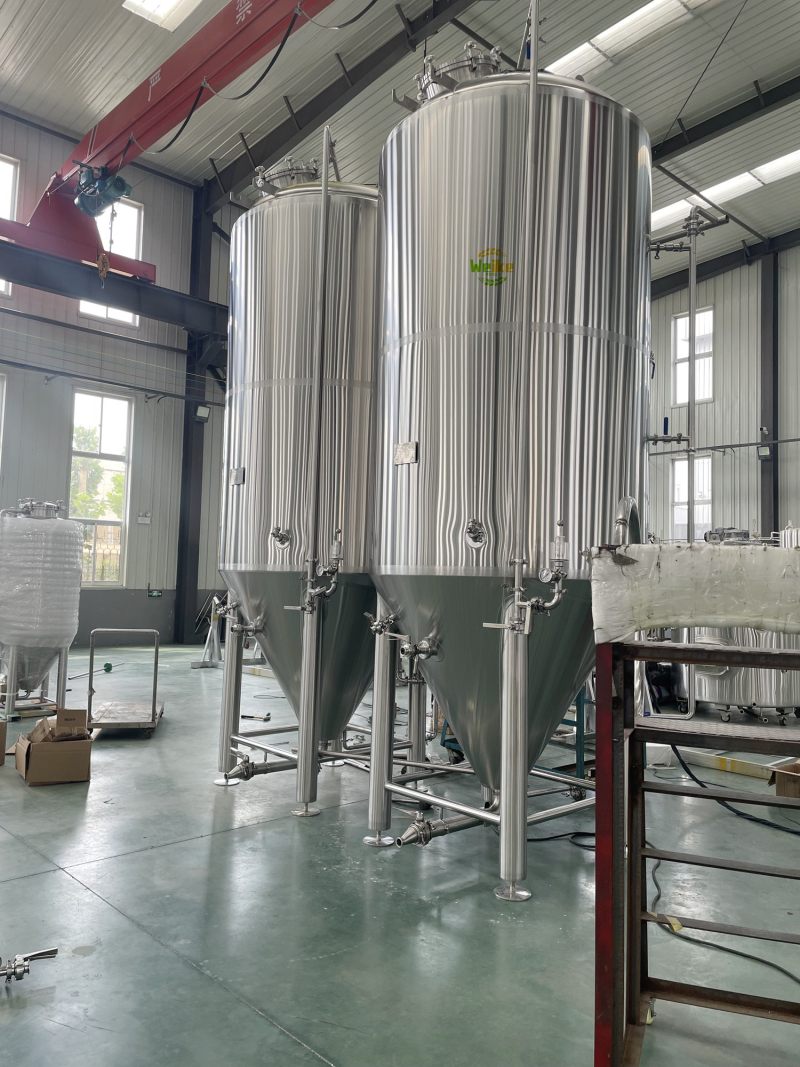
This is where equipment quality matters. Well-built stainless steel tanks with reliable welds, sanitary fittings, proper gasket compatibility, and stable installation are easier to inspect and recover. Shandong Weike Machinery Equipment Co.,Ltd manufactures stainless steel vessels for wine, beer, cider, kombucha tea, juice, coffee, soda water, alcohol, and storage applications. With professional design, manufacturing, installation, commissioning, and long after-sales support, properly specified equipment helps reduce leak frequency and shortens recovery time when an issue does occur.
Typical Leak Scenarios and Recommended Handling
Not every leak requires the same decision. The safest answer to what to do if wine tank leaks during fermentation depends on leak location, flow rate, vessel pressure, and whether the product can be transferred under sanitary conditions.
- Valve or gasket seepage: Stop nonessential handling, confirm pressure status, clean the exterior area, and inspect whether a gasket is twisted, worn, or chemically incompatible.
- Manway leak with foam: Reduce agitation around the tank, verify closure alignment, and determine if fermentation headspace is insufficient.
- Connection or clamp leak: Check whether the fitting was assembled correctly after CIP or transfer operations; replace damaged clamps or seals only after safe depressurization.
- Weld seam crack or body defect: Isolate the tank immediately and prepare sanitary transfer if product condition allows.
Safe Practice Steps for Winery Teams
If the question is what to do if wine tank leaks during fermentation, the safest field procedure usually follows these steps:
- Protect people first. Restrict access, mark slippery surfaces, and confirm ventilation because CO2 may collect near active tanks.
- Identify the leak source visually without forcing fittings. Note whether the leak is from a gasket, valve, weld, sample port, or shell area.
- Check pressure relief and venting status. Never assume the vessel is safe to tighten under active fermentation pressure.
- Protect the wine. Use clean collection methods only if recovery is realistic and hygienic; otherwise prioritize contamination control over salvage.
- Decide on temporary isolation, partial transfer, or full transfer to another sanitized tank.
- Document the event, including time, volume loss estimate, fermentation stage, temperature, and corrective action.
Avoid improvised sealants, uncontrolled patching, or aggressive tool use on sanitary connections. In beverage processing, quick fixes often create cleaning challenges and hidden contamination points later.
Next Action for Repair, Inspection, or Replacement
After the situation is stable, inspect root causes: gasket aging, clamp damage, poor assembly, weld defects, thermal stress, overfilling, blocked vent paths, or incorrect tank specification for fermentation duty. If the tank leak happened more than once, replacement may be more economical than repeated emergency repair. For wineries expanding production or upgrading cellar reliability, stainless steel equipment with dependable fabrication quality and technical support can reduce long-term risk.
What to do if wine tank leaks during fermentation? Respond safely, isolate the hazard, protect the wine where possible, and involve qualified equipment support before restarting normal operation. If a leak points to aging fittings or vessel integrity concerns, reviewing tank design, sanitation layout, and replacement options is the most practical next step for stable wine production.