





NEWS
Optimizing High-Melting Point Fats: Customizing Edible Oil Storage Tanks for Palm Oil and Coconut Oil Processing
Optimizing high-melting point fats starts with the right storage system.
In palm oil and coconut oil processing, customized edible oil storage tanks protect texture, flavor, and processing stability.
Stable heating, hygienic stainless steel surfaces, and smart tank sizing reduce waste and support smooth food and beverage production.
For beverage-related factories using syrups, creamers, flavor bases, or fat-containing ingredients, proper edible oil storage tanks matter more than many expect.
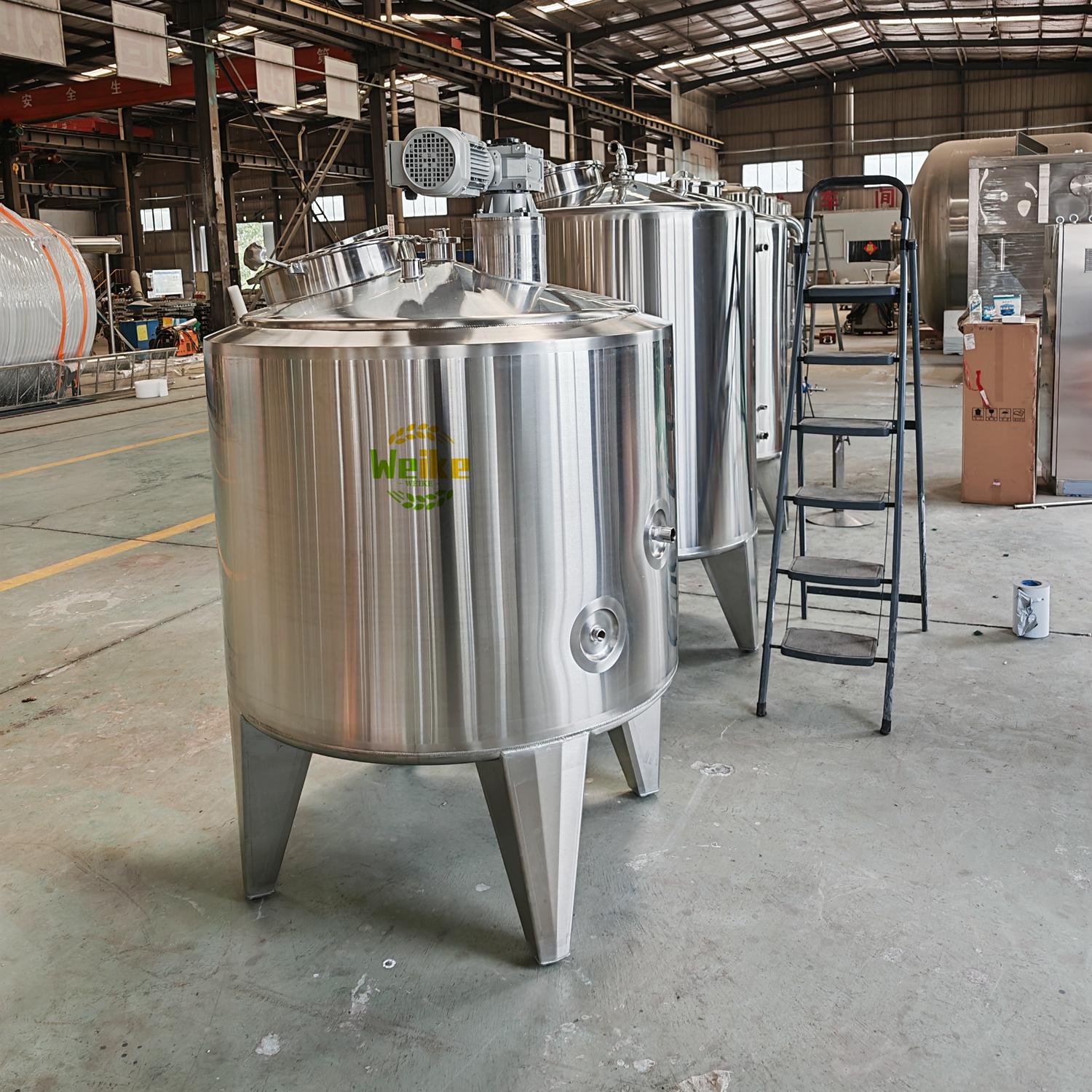
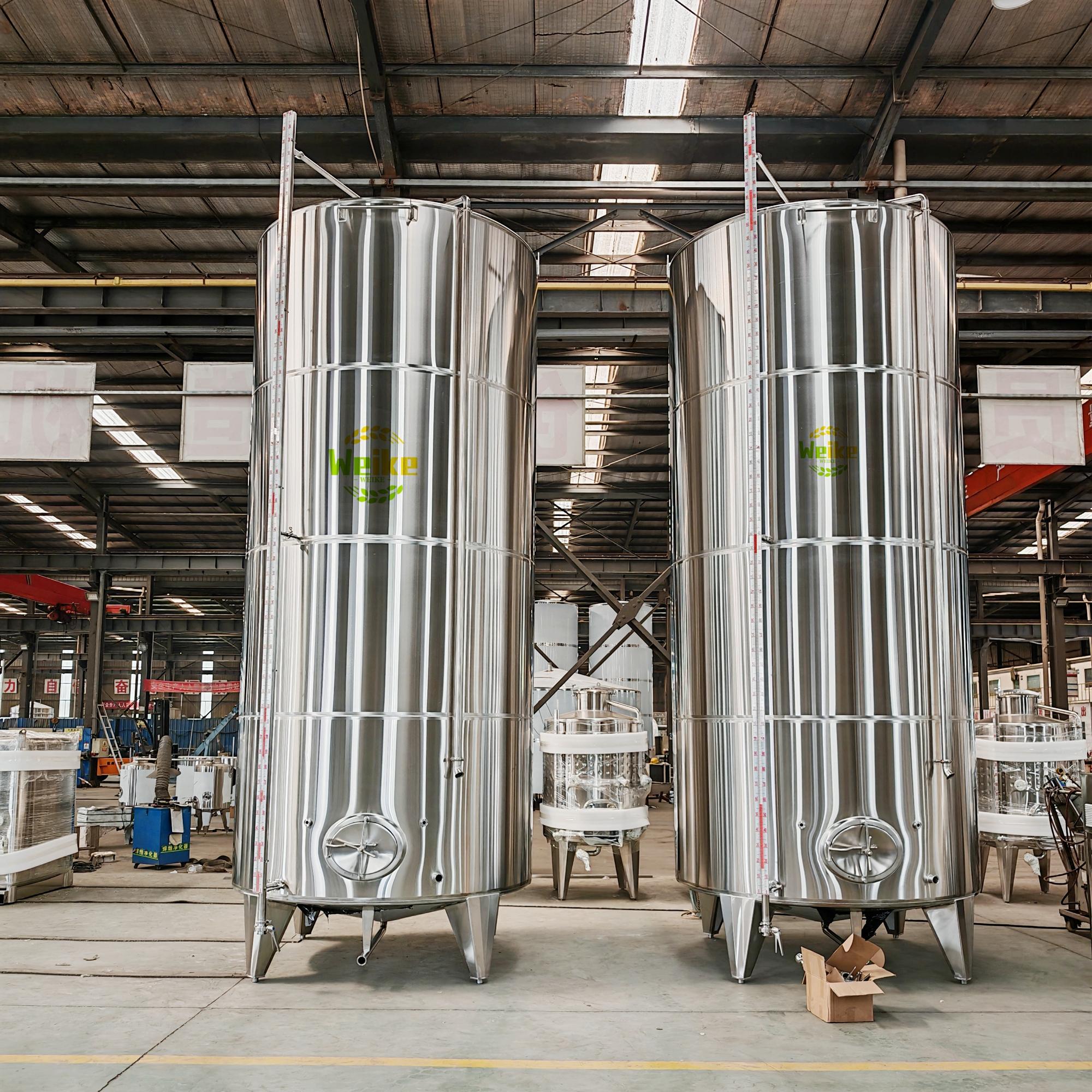
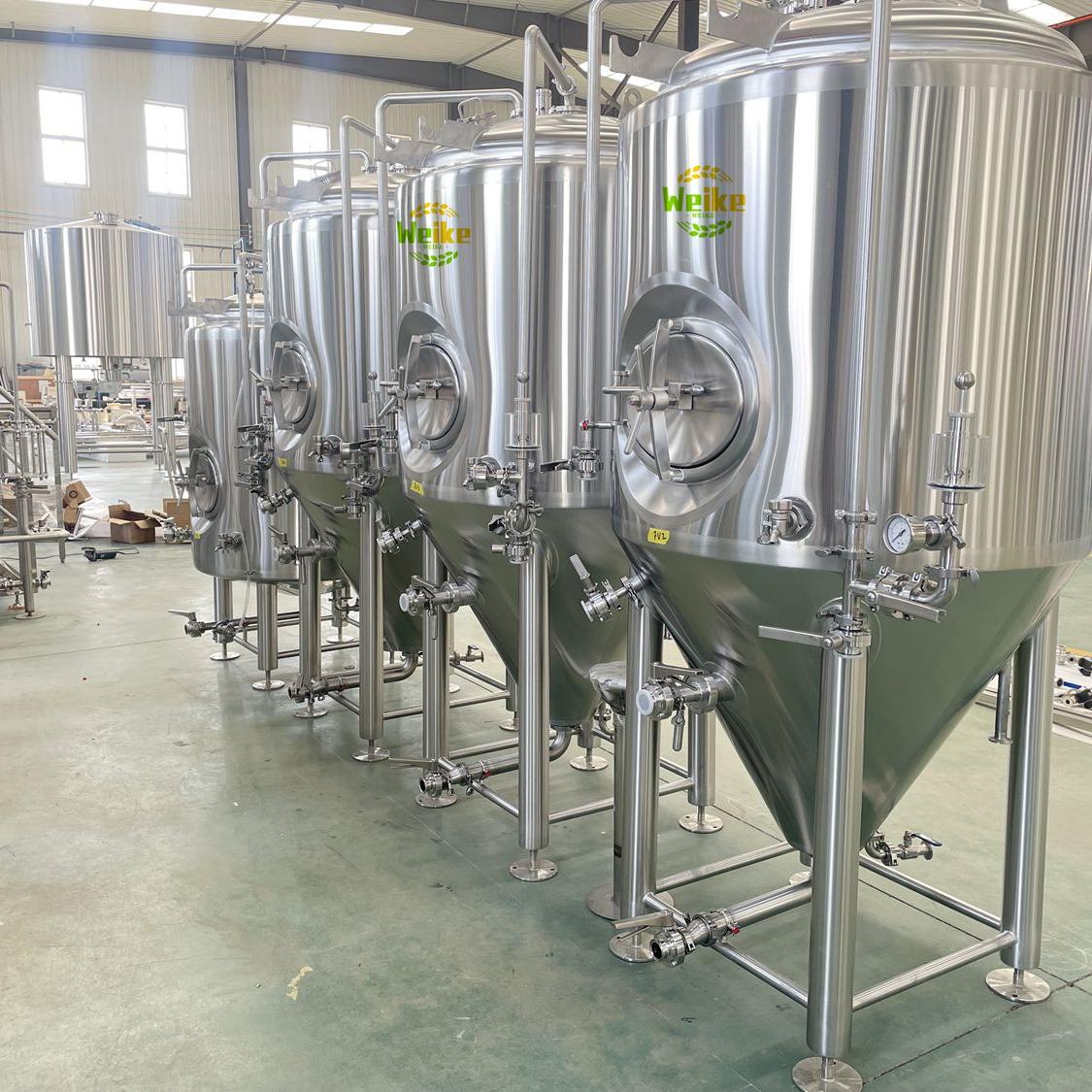
Shandong Weike Machinery Equipment Co.,Ltd delivers stainless steel tank solutions with design, manufacture, installation, and commissioning support for global food and beverage applications.
What makes high-melting point fats difficult to store?
Palm oil and coconut oil behave differently from many liquid ingredients.
Their melting points are relatively high, so temperature drops can cause crystallization, layering, or partial solidification inside pipelines and tanks.
This creates transfer problems, unstable dosing, and inconsistent blending in beverage and food processes.
When oils cool unevenly, operators may also face valve blockage, slow discharge, and extra cleaning time.
Customized edible oil storage tanks solve these issues by controlling insulation, heat distribution, and internal flow behavior.
The goal is not simply heating the oil.
The goal is maintaining a stable, usable condition without overheating, oxidation, or quality loss.
Why are customized edible oil storage tanks better than standard tanks?
Standard tanks often work for water-like liquids, but high-melting point fats need more specialized handling.
Customized edible oil storage tanks are designed around product viscosity, melting range, production rhythm, and local climate.
A tailored design usually includes several performance upgrades:
- Insulation layers that reduce heat loss during storage.
- Heating jackets or coils for gentle, even warming.
- Optimized outlet geometry for smoother discharge.
- Food-grade stainless steel construction for hygiene and corrosion resistance.
- Temperature monitoring for better process control.
In beverage plants, these features help maintain consistency for oil-based additives, emulsions, and flavor carriers.
They also reduce downtime caused by solidified residues inside transfer lines.
How should palm oil and coconut oil tank design differ?
Palm oil and coconut oil share storage challenges, but they are not identical.
Palm oil often needs stronger focus on preventing fraction separation during holding and transfer.
Coconut oil may require precise thermal management to keep it fully usable without excessive heat exposure.
A good engineering review typically examines:
- Storage temperature range
- Ambient temperature fluctuation
- Tank volume and turnover rate
- Pump and pipeline matching
- Cleaning frequency and sanitation targets
For example, a faster-turnover coconut oil system may prioritize responsive heating and quick discharge.
A larger palm oil storage system may emphasize insulation efficiency and uniform internal temperature retention.
This is why customized edible oil storage tanks outperform one-size-fits-all solutions in real processing environments.
Which tank features are most important for food and beverage processing?
In the food and beverage industry, hygiene and process reliability come first.
The most important features combine sanitary design with thermal stability.
Key features to prioritize
- 304 or 316L stainless steel contact surfaces
- Heating jacket, coil, or thermal tracing
- Effective insulation thickness
- Smooth internal welds and easy-clean structure
- Temperature probes and readable thermometers
- Proper venting, valves, and drain design
Some beverage facilities also handle alcohol, extracts, or specialty liquids in parallel production areas.
In such cases, experience with stainless steel vessel engineering across categories becomes valuable.
For reference, similar design principles appear in pisco tequila brandy alcohol spirit tanks, where temperature control, sanitary fittings, and reliable valves support product stability.
That product configuration includes 8000L capacity options, cooling jackets, RTD probes, manhole access, and practical outlet assemblies.
What common mistakes reduce edible oil storage performance?
Many problems come from underestimating thermal behavior.
A tank may look strong and clean, yet still perform poorly if the heating system is uneven or undersized.
The most common mistakes include:
- Choosing tank volume without considering turnover speed
- Using weak insulation in cold environments
- Ignoring outlet clogging risk
- Overheating oil to compensate for poor design
- Selecting materials without food-grade compliance focus
Overheating is especially risky.
It may restore flow temporarily, but can damage sensory quality and increase oxidation risk.
A better approach is engineered heat retention and controlled warming.
How can businesses evaluate cost, implementation, and long-term value?
Initial cost matters, but operating efficiency matters more over time.
Customized edible oil storage tanks often save money by lowering heat loss, reducing waste, and improving batch consistency.
Implementation should be reviewed from three angles:
- Process fit: capacity, temperature, and transfer layout
- Installation fit: space, utilities, and cleaning access
- Lifecycle fit: maintenance, spare parts, and after-sales support
An experienced supplier can shorten project cycles by aligning design with actual production conditions from the start.
This reduces later modification costs and helps achieve stable startup performance.
Quick FAQ comparison table for edible oil storage tanks
Optimizing palm oil and coconut oil storage is a practical engineering decision, not only a purchasing decision.
The right customized edible oil storage tanks improve temperature stability, sanitation, transfer efficiency, and final product consistency.
Shandong Weike Machinery Equipment Co.,Ltd supports beverage and food applications with stainless steel vessel expertise and dependable after-sales service.
If a project also involves distilled liquid handling, solutions such as pisco tequila brandy alcohol spirit tanks show how specialized fittings and thermal control can be integrated effectively.
The next step is to define oil type, target temperature, daily throughput, and installation conditions before final tank selection.